How increasing digital disclosure will improve customer outcomes, Consumer Duty and ROI
Published: Jul 9, 2025
Publications
As household budgets are stretched thin and mental health care continues to experience high demand and long waits, service providers face a growing challenge – how to identify and support characteristics of vulnerability compassionately and effectively before problems escalate, and how to fairly treat customers with arrears, without causing further harm.
For the (often separate) teams responsible for vulnerability support and arrears collection, it can be a difficult road to navigate. But there is a way to bridge the gap.
The answer lies in increasing digital disclosure rates.
Why disclosure matters – but rarely happens
For many, disclosing any struggle – be it financial, emotional, or personal, is incredibly difficult. Put yourself in the customer’s position, searching for a phone number, then going through with a conversation, or sitting down and typing out a difficult situation in an email can be a huge barrier, tied up with emotions that could include fear, shame and avoidance.
If phone or email are the only disclosure options you offer, it’s likely you’re only hearing from a motivated minority and missing a huge number of people who need help but don’t know how to ask for it – according to the FCA’s Financial Lives survey 45% of UK adults can be classed as vulnerable. Customers are three times more likely to disclose digitally compared to an in-person or phone conversation.
Disclosure matters so that you can improve customer outcomes and ensure you prevent any foreseeable harm to customers, particularly through practices such as debt collection visits that can be hugely stressful for people. Whilst this is part of the FCA’s Consumer Duty, ultimately ensuring you support vulnerable customers is the right thing to do, and as you’ll see further down, is also better for business.
What’s needed is a safe space where people can share what’s really going on, in their own time, with the knowledge they’ll be supported.
That’s where digital tools like wellbeing checks come in. Give customers the chance to disclose to a trusted third party, through simple yes/no answers with space for optional additional information – so they can disclose in as much detail as they feel comfortable giving.
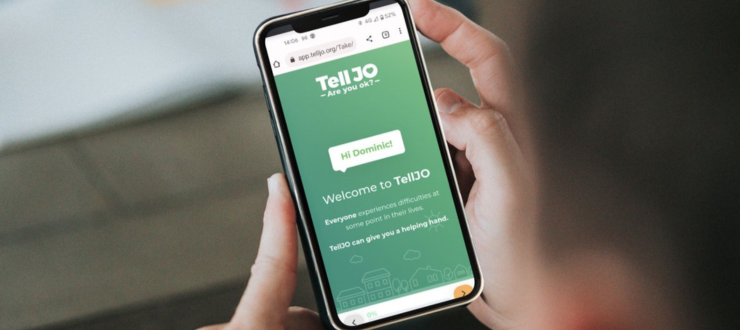
Increasing digital disclosure – timing is everything
Characteristics of vulnerability aren’t static; people can move in and out throughout their lifetime due to unexpected events like illness diagnosis, redundancy, relationship breakdown or bereavement. Timing your communication around disclosure and support is crucial, as is clearly explaining why you’re asking if they’re okay, and that there more be support (or other benefits) available to them.
Key times to test your digital disclosure options:
- If you notice a sudden change in customer behaviour (spending patterns, service usage etc.) or after a first missed payment.
- If the customer is already in arrears, a good time to try is before moving to the next stage in the collections process.
- Payment rates changing.
- Before final balloon payments on motor finance or loans etc, as this may be something a customer is aware is coming and worried about paying.
- Contract updates, or annual statement communications.
The risk of not being proactive
Delaying disclosure has consequences for the customer and the business. The longer someone goes without support, the higher the risk of:
- Missed payments becoming defaults.
- Complaints and regulatory scrutiny.
- Emotional distress for the customer and reputational harm for the business.
We often see companies only asking at the point of contract being taken out or once the customer has arrears. If someone needs a service, a car or a loan, they’re unlikely to disclose at the point of contract for fear of it impacting their acceptance. Once they’ve got arrears, there’s already been a missed chance to support that customer and create a different outcome.
How to use data to improve customer outcomes
Simply disclosing their situation in the first place can lift a big weight for those experiencing certain vulnerabilities. Users who complete a digital wellbeing check tell us they feel 9 out of 10 better after completing it and receiving personalised signposts to support services.
As well as signposting customers there’s loads of ways you can improve outcomes using data. Here’s an example of the information you’ll be able to understand about your customers on our wellbeing index. But whether it’s via a third-party or not, understanding trends and gaps is the first step to improving outcomes. Once you can see any patterns or where your customers need support most, you can create initiatives and partnerships that tackle those problems.
Ideas to use data to improve outcomes:
- A digital support journey that includes an income and expenditure and/or benefit calculator for those in debt.
- Partnerships with third sector organisations and charities – bereavement support, domestic abuse, relevant health charities.
- Grants or discounts for those who need it – with the increased customer data from disclosure you can see what customer segments would need this most. Make it easy for customers to understand and to apply for. Even better, if you see they could be on a better rate, tell them or simply switch them to it.
- Access to financial education, incentivised with matched arrears repayments or similar for those who complete it.
- Free laptops or smart phones for those who are digitally excluded with access to training courses.
For some ideas tailored to your business – fill in our get a demo form and we can chat through some ideas on a call.
How increasing digital disclosure can improve ROI
Supporting vulnerable customers effectively doesn’t mean scaling back commercial goals. It means enabling earlier, more informed action. With empathy and efficiency in equal measure.
By increasing digital disclosure you can:
- Reduce pressure on contact centre teams having to make calls which customers don’t want to answer. We saved one of our clients an estimated £700k in staff time by replacing calls with digital disclosure for 100,000 customers.
- Introduce effective disclosure and customer support and see more customers consent to payment arrangements after feeling heard respected and empowered. Over 89% of arrears customers who complete a digital wellbeing check consent to a payment arrangement.
- Demonstrate your commitment to Consumer Duty, with measurable outcomes for reporting and to contribute to positive brand association.
Overall, our customers have seen up to 1900% ROI by increasing digital disclosure and using the data to improve customer outcomes.
Whether you’re leading customer experience/support, compliance or a collections team, the ability to uncover vulnerability before it spirals is now a strategic advantage.
Want to know more? Book a short call to see a digital wellbeing check and what it could do for you.